Best Master's in Psychology Programs in Maine
Compare 6 accredited Psychology programs in Maine at 3 schools, with graduate earnings, cost, debt, and completion data from IPEDS and the U.S. College Scorecard.
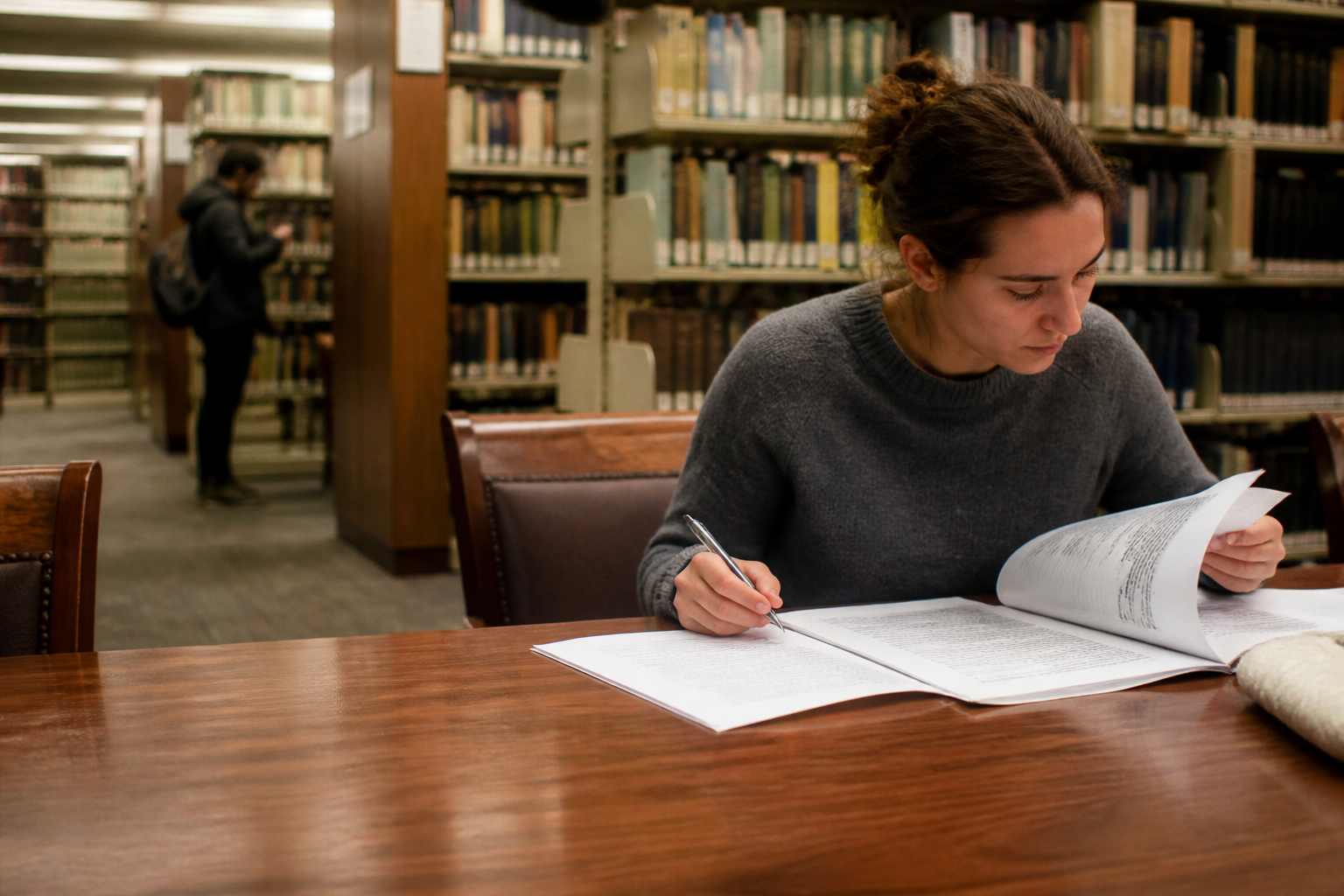
A master's in psychology does not lead to one career in Maine. Depending on the track, it can qualify you for counselor licensure (LCPC), school psychology credentialing, behavior analysis coursework toward BCBA certification, or a research-focused degree, such as a Master's in Social Psychology, that prepares you for a doctorate. A general degree alone will not get you licensed.
The state has only a handful of options, so the program you pick effectively decides which of those paths stay open to you.
Cost compounds the choice. Residency changes tuition sharply at the public universities, and only some formats fit around a full-time job.
Key Points
- Husson University's applied psychology master's is fully online.
- University of Southern Maine charges residents about $9,918 yearly.
- A general psychology master's alone does not qualify for clinical licensure.
Best Master's in Psychology Schools in Maine, Ranked by Outcomes
Three Maine universities stand out for master's level psychology training, but they serve very different goals: online applied psychology, creative arts counseling, and school or behavior analytic certification. The cards below highlight the concentration, format, cost, and certification fit for each school so you can compare them directly.
University of Southern Maine
#1Portland, ME · $10,000 – $27,000/yr (est.) · BCBA pass rate 61.6% (3-yr weighted avg)
Best for: Future school psychologists needing certification
University of Southern Maine is one of Maine's largest psychology training hubs for school and behavioral health careers. Its educational psychology master's spans a specialist-level school psychology concentration with 400 hours of practica and a 1,200-hour internship, plus an applied behavior analysis track with verified coursework for BCBA preparation. USM pairs that curriculum with more than 50 school and community training partnerships and a state-backed rural workforce project, making it especially relevant for students who plan to stay in Maine after graduation, and the university's overall graduation rate is about 40 percent.
- 67 total credit hours
- 400 practica hours plus a 1,200-hour internship
- Weekday late-afternoon and early-evening classes
- About one-third of required courses available online
- Aligns with NASP credentialing standards
- Eligible for state and national certification
- Up to 30 transfer credits allowed
- 36 total credit hours, 12 courses
- Blended synchronous and asynchronous online
- Hybrid on-campus option also available
- ABAI-verified coursework prepares for BCBA
- Full-time and part-time options, three start dates
- First-time BCBA exam pass rate: 61.6 percent
University of Maine at Farmington
#2Farmington, ME · ~$12,000/yr (est.)
Best for: Creative arts counseling students pursuing licensure
The University of Maine at Farmington offers Maine's only counseling master's that formally integrates creative arts into clinical training. Students choose a music, visual arts, or creative writing focus alongside counseling foundations, ethics, diagnosis, group work, and crisis intervention. The hybrid program meets 70 percent online and 30 percent in person, with full-time Friday or part-time Saturday cohorts. The university's overall graduation rate is about 52 percent, and the program reports a 100 percent National Counselor Exam pass rate.
- $490 per credit, 64 total credit hours
- Creative arts tracks in music, visual arts, or creative writing
- Hybrid format: 70 percent online, 30 percent in-person
- Full-time 2 years, part-time 4 years
- Starts fall with full-time and part-time cohorts
- Prepares for National Counselor Exam and Maine LCPC licensure
- Up to 9 graduate transfer credits accepted
Husson University
#3Bangor, ME · $15,000 – $20,000/yr (est.)
Best for: Working professionals wanting online applied psychology
Husson University's online applied psychology program is designed for working professionals who want psychological methods in business, human resources, public health, or animal behavior settings. The 30 credit master's is fully online with no set class times, multiple start dates, and the option to pause a term. Students can earn badges and certificates along the way and receive free 24/7 tutoring and one-on-one advising. The university's overall graduation rate is about 59 percent.
- $598 per credit
- 30 total credit hours, 24-month path
- Fully online with no set class times
- Multiple start dates and pause option
- Transfer up to 9 graduate credits
- Free 24/7 tutoring and career advising
- Earn badges and certificates along the way
Cost & outcomes by school
Federal data for the highest-earning Psychology programs, independent of the ranking above. Earnings are this field's master's graduates four years after completing, where the Scorecard reports them.
| School | Earnings | Tuition / yr | Debt | Grads/yr | Format |
|---|---|---|---|---|---|
| University of Southern Maine ME | — | $9,918 | — | 986 | Hybrid |
| University of Maine at Farmington ME | — | $11,874 | — | 118 | Hybrid |
| Husson University ME | — | $19,832 | — | 428 | Campus |
Sources: U.S. Department of Education. Tuition and graduates: IPEDS. Earnings and debt: College Scorecard, this field's master's graduates; a dash means no figure is reported.
Online and Hybrid Master's in Psychology Options in Maine
Husson University and University of Southern Maine's ABA concentration offer fully online paths among the programs below. Every other option still expects you on campus or in a supervised setting for a real share of the degree.
Husson's M.S. in Applied Psychology runs 30 credits over about 24 months, with no set class times and multiple start dates. It is an applied, coursework-driven degree rather than a licensure track.
University of Maine at Farmington's M.A. in Counseling Psychology (Creative Arts) is hybrid, roughly 70% online and 30% in person, across 64 credits with no thesis or capstone. The program lists 3,000 clinical hours, so expect substantial supervised placement time.
University of Southern Maine's School Psychology concentration is also hybrid, pairing some online courses with weekday late-afternoon classes. The catalog sets 84 credits, 600 practicum hours (typically 100 to 200 per semester) and a 1,500-hour internship over one academic year. USM's ABA concentration is a 36-credit, non-thesis degree ending in a clinical portfolio. Supervised BCBA fieldwork is not built in, so you arrange it yourself.
For working professionals comparing Master's Programs in Maine, online coursework never removes fieldwork. If you cannot step away from a job for an internship year, Husson or USM's ABA concentration is the realistic fit. Choose UMF or USM only if you can commit to placements and periodic campus trips.
Which Maine Master's in Psychology Programs Waive or Make the GRE Optional
Admissions details below reflect the policies published on program pages for the University of Southern Maine programs we were able to verify. The MS in Educational Psychology Applied Behavior Analysis concentration and the Education Specialist in School Psychology track state no GRE requirement, while the school psychology concentration of the MS in Educational Psychology does not currently publish a GRE policy. The verified programs list a minimum cumulative GPA of 2.5 for a bachelor's degree or 3.0 for a graduate degree as a baseline prerequisite.
| School | Program | GRE Policy | Application Deadline | Start Term |
|---|---|---|---|---|
| University of Southern Maine | MS in Educational Psychology, Applied Behavior Analysis concentration | No GRE required | Recommended: June 15 for fall, November 15 for spring, March 15 for summer; final: August 1 for fall, December 15 for spring, April 15 for summer | Fall, spring, or summer |
| University of Southern Maine | Education Specialist in School Psychology | No GRE required | December 1 for fall | Fall |
| University of Southern Maine | MS in Educational Psychology, School Psychology concentration | No published policy | N/A | N/A |
Related Articles
How Much Does a Master's in Psychology Cost in Maine?
Residency drives the biggest gap
At the University of Southern Maine, graduate tuition runs roughly $9,918 a year for Maine residents against $26,676 for nonresidents, a spread of about $16,800 annually. University of Maine at Farmington and Husson University charge a single rate regardless of where you live, near $11,874 and $19,832 per year. Mandatory fees are assessed on top of tuition at each campus, so confirm the current published schedule before you budget.
Estimate by credit, not by year
Per-credit math is more useful if you plan to study part time. Farmington's counseling psychology program posts $490 per credit across 64 credits, putting full-program tuition near $31,400.1 Husson's applied psychology master's program lists $598 per credit over 30 credits, closer to $17,900.1 USM's school psychology concentration requires 84 credits, so your pace determines how many years of fees you absorb.
Aid that actually moves the number
Net price after aid averages about $13,596 at USM, $16,857 at Farmington, and $21,005 at Husson, but those are institution-wide figures across all students, not psychology-specific.1 The same caveat applies to typical debt at graduation, roughly $19,060, $24,499, and $27,000 respectively.1 Ask about graduate assistantships at the public campuses, check whether your track is approved for the New England Regional Student Program tuition break, and confirm employer tuition benefits if you are already working in human services.
Does a Master's in Psychology Qualify for Licensure in Maine?
A general or research psychology master's does not lead to independent clinical licensure in Maine. Licensure follows the specific degree track, so what you can do with a master's in psychology matters more than the program title.
Three tracks, three credentials
- Clinical mental health counseling: This track, not clinical psychology master's programs, leads toward the LCPC. Maine requires a qualifying degree of at least 60 graduate credit hours1, a Board-prescribed exam1, and two years of experience including 3,000 supervised clinical hours2.
- Applied behavior analysis: This track leads toward the BCBA. The BACB requires a graduate degree, behavior-analytic coursework, supervised fieldwork, and an exam. USM's MS in Educational Psychology (ABA concentration) and its ABA certificate both meet Pathway 2 coursework, but neither alone confers certification.
- School psychology: Maine DOE endorsement 093 comes through a current NCSP, a degree from a NASP- or DOE-approved program, or a Maine psychologist license3, plus references and a background check4.
Why accreditation matters
Husson University and the University of Southern Maine are the Maine programs on the CACREP directory. Graduating from an accredited program is the cleanest way to show the Board that your degree qualifies. For any other program, including the University of Maine at Farmington, compare the curriculum against Board and DOE requirements before you enroll.
Where a research M.A. fits
Maine licenses psychologists only at the doctoral level, so master's graduates who want that title need further training. A research master's still works well for doctoral preparation, research roles, and teaching at community colleges.
Maine Counseling Licensure at a Glance
Compare Psychology programs on the data that matters
Explore more Psychology specializations or browse every graduate field.
All Psychology programs