Best Master's in Higher Education Programs in North Carolina
Compare 7 accredited Higher Education programs in North Carolina at 6 schools, with graduate earnings, cost, debt, and completion data from IPEDS and the U.S. College Scorecard.
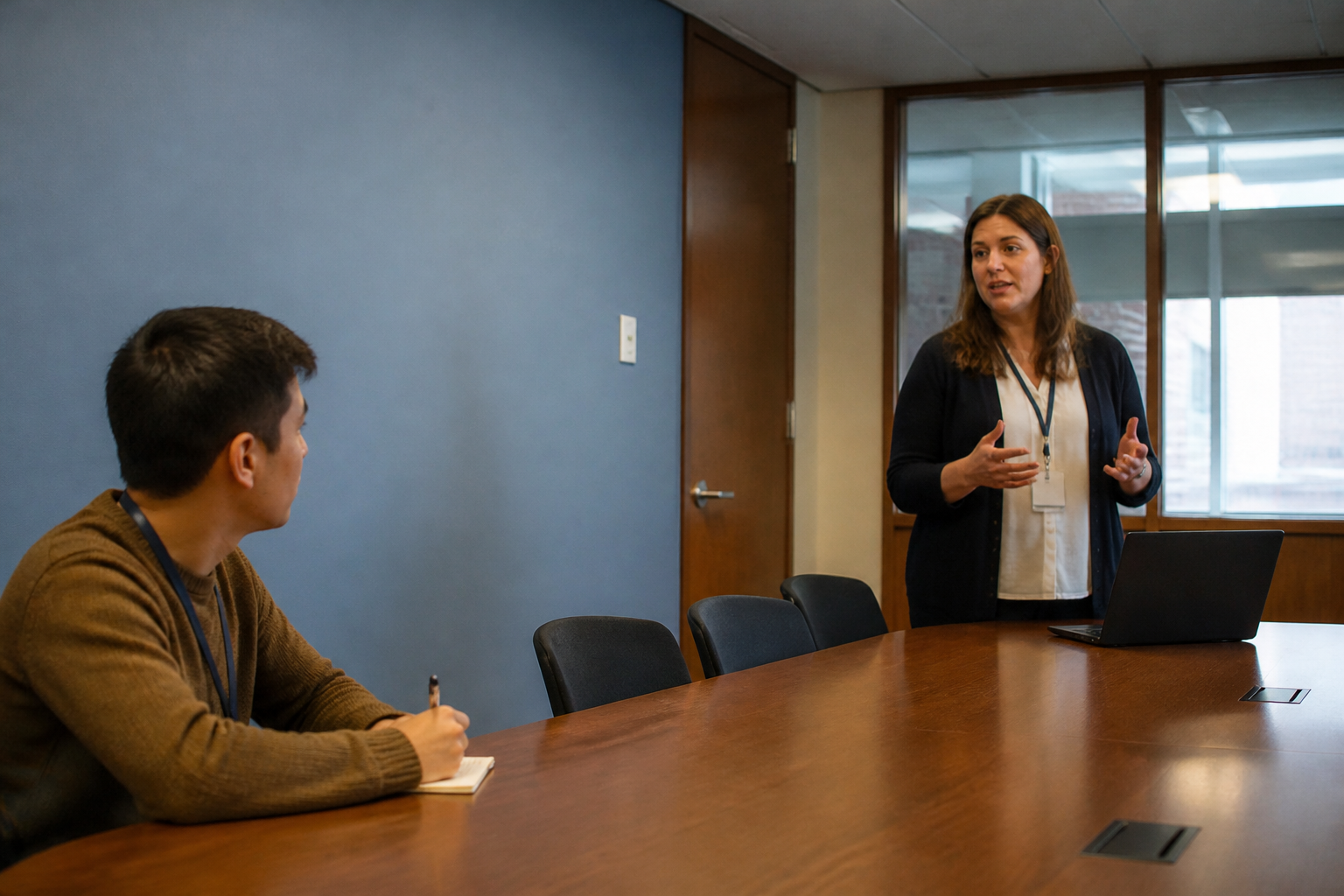
Student affairs, academic advising, admissions, and college administration roles rarely require a state license, yet most hiring committees expect a master's degree for anything above entry level. The credential works as a gatekeeper, so the real decision turns on cost and format.
The campus and hybrid programs here publish in-state graduate tuition from roughly $7,900 to $12,100 a year. Assistantships, which can offset much of that bill, often matter more than the sticker price.
Key Points
- None of the ranked programs is confirmed as fully online, so check each format directly.
- Most ranked programs publish no GRE requirement, but confirm the policy before the 2027 cycle.
- Program-level graduate earnings are not yet published, so compare net price after assistantships instead.
Best Master's in Higher Education Programs in North Carolina, Ranked
Placement on this list reflects what students get back from the program, including cost after aid, completion, and graduate outcomes, rather than brand name or reputation. The graduation rate we cite is the institution-wide rate at the school offering the program, not a program completion rate. Net price is an approximate institution-wide average from federal data, not a quote for every student, so your own aid package will differ.
North Carolina State University at Raleigh
#1Raleigh, NC · $12,000 – $33,000/yr (est.)
Best for: Students seeking Research Triangle assistantships
NC State's Higher Education Administration master's is a 36-credit, campus-based MEd with an institution-wide graduation rate of about 85%. Its standout trait is access to assistantships across the Research Triangle, including long-running partnerships with Duke and UNC-Chapel Hill. Students interview for these positions at a spring Recruitment Weekend, and contracts can include tuition remission and stipends depending on the host campus.
- 36 total credit hours, with 18 core credit hours
- Core covers student development theory and college environments
- 3-credit research and assessment component
- 3-credit internship or practicum
- 12 elective credit hours in Higher Education Threads
- 8 concentration options
- No entrance exam required
- Graduate assistantships of 15 to 20 hours weekly
University of North Carolina Wilmington
#2Wilmington, NC · $8,000 – $24,000/yr (est.)
Best for: Working professionals needing hybrid flexibility
UNC Wilmington offers a 36-credit hybrid MEd in Higher Education that blends remote participation with in-person learning, which suits working professionals. The curriculum is aligned with ACPA and NASPA competencies and is delivered to a small cohort. Distinctive extras include an international internship option in Ireland and a Community College Leadership certificate that can be earned at the same time.
- 36 total credit hours
- Hybrid format for working professionals
- Capstone project required
- Internship through the Certified Internship Program
- Curriculum aligned with ACPA and NASPA competencies
- Optional international internship at Maynooth University in Ireland
- Community College Leadership certificate available concurrently
- Cohort of 25 to 30 students; employer reimbursement supported
Western Carolina University
#3Cullowhee, NC · ~$8,000/yr (est.)
Best for: Small-cohort student affairs practitioners
Western Carolina's MEd in Higher Education Student Affairs is a cohort-based program built around hands-on practice. Students complete supervised internships and hold paid graduate assistantships, which the program says are guaranteed. Small cohorts mean close faculty contact, and part-time study is available for those who need it.
- 39 total credit hours over about 21 months
- Full-time and part-time options
- No entrance exam required
- 3.0 GPA minimum and 3 letters of recommendation
- Guaranteed paid graduate assistantships
- Cohort of 10 to 15 students
- Supervised internships and applied projects
- Program reports a 100% job placement rate
University of North Carolina at Greensboro
#4Greensboro, NC · ~$9,000/yr (est.)
UNC Greensboro's MEd in Student Affairs Administration in Higher Education is a campus-based, 36-credit program for students aiming at roles such as residence life and academic advising. Coursework spans student development theory, legal issues, leadership, and assessment. A supervised internship and a capstone portfolio give students concrete work to show employers.
- 36 total credit hours
- Campus-based delivery
- Supervised internship in student affairs
- Capstone portfolio required
- Courses in student development theory and legal issues
- Leadership and assessment coursework
- Study of the effects of college on students
- Optional emphasis in student affairs
Cost & outcomes by school
Federal data for the highest-earning Higher Education programs, independent of the ranking above. Earnings are this field's master's graduates four years after completing, where the Scorecard reports them.
| School | Earnings | Tuition / yr | Debt | Grads/yr | Format |
|---|---|---|---|---|---|
| North Carolina State University at Raleigh NC | $76,369 | $12,101 | $26,198 | 67 | Campus |
| East Carolina University NC | $73,367 | $7,658 | $36,641 | 93 | Online |
| University of North Carolina at Greensboro NC | $70,268 | $8,614 | $28,636 | 40 | Campus |
| University of North Carolina at Charlotte NC | $70,227 | $8,037 | $20,356 | 61 | Campus |
| Western Carolina University NC | $68,241 | $7,876 | $16,418 | 35 | Campus |
| University of North Carolina Wilmington NC | $61,981 | $8,112 | $30,854 | 9 | Hybrid |
Sources: U.S. Department of Education. Tuition and graduates: IPEDS. Earnings and debt: College Scorecard, this field's master's graduates; a dash means no figure is reported.
Cost, debt & payoff
Median earnings of this field's master's graduates (4 yrs after completing) vs. their median federal loan debt · U.S. College Scorecard
Across these programs the median graduate earns about $70,268 and finishes with roughly $26,198 in debt — a ratio that clears a common rule of thumb (keep debt below first-year salary). Tuition and debt vary widely school to school, so check the per-school figures in the table above before you shortlist.
What to Verify Before Shortlisting an NC Higher Education Master's
Run these checks on every school before you apply. Admissions pages often leave gaps, so confirm details directly with the program.
- Institutional accreditationConfirm the university is accredited by SACSCOC, the regional accreditor for North Carolina; NC State and UNCW state this publicly, while NCCU's program page does not, so check it on the SACSCOC site.
- Programmatic accreditationNo specialized accreditor for higher education administration master's programs appears in the sources, and CAS standards and ACPA/NASPA competencies are professional guidelines, not accreditation.
- Credits and internshipRequirements vary, from NC State's 36-credit M.Ed. to NCCU's 42-credit M.S. with a 150-hour internship, so compare total workload.
- AssistantshipsAsk whether graduate assistantships that cover tuition are offered, since they can change your net cost substantially.
- Format fitConfirm whether the program is fully online, hybrid, or campus-based before applying; NCCU's is 100% online.
Online and Hybrid Master's in Higher Education Options Among the Ranked Schools
Can you earn a master's in higher education online in North Carolina? Fewer ranked master's programs in North Carolina offer online options than many applicants expect. None of the programs is confirmed as fully online.
How the Formats Sort
- Hybrid: UNC Wilmington's higher education master's is listed as hybrid, built for working professionals, with a small cohort and campus internship opportunities.
- Campus with flexible options: NC State's M.Ed. in Higher Education Administration is an on-campus degree, though online and hybrid course options exist, mainly for part-time students.1 Its published sources do not say whether the whole degree can be finished remotely.
- Campus-only: Western Carolina's higher education student affairs M.Ed. and UNC Greensboro's student affairs administration M.Ed. are listed as campus programs.
Who Each Format Suits
If you already work on a campus staff, UNC Wilmington's hybrid format or part-time study at NC State lets you keep your job. Career changers usually need the opposite: assistantships and on-site practicum placements. Western Carolina advertises guaranteed paid graduate assistantships, and NC State and UNC Greensboro both build an internship or practicum into the curriculum.
Tuition for Online Students
Research does not confirm whether online or hybrid students pay the same rate as campus students at any of these schools. Ask each bursar's office for a written per-credit quote before you commit.
Related Articles
Which Ranked NC Programs Waive or Skip the GRE
The GRE is a standardized graduate admissions exam that some master's programs still require. For higher education degrees in North Carolina, it has largely dropped out of the picture, matching a broader shift toward No-GRE master's programs. Here is what each ranked program publishes.
Policies by Program
- NC State University: GRE not required. Applicants submit a statement of purpose (500-word limit), a résumé, and three letters of recommendation. International applicants provide TOEFL or IELTS scores. The program page we reviewed does not list a deadline or minimum GPA.
- Western Carolina University: No entrance exam required. The program sets a 3.0 minimum GPA, asks for at least three letters of recommendation, and listed March 1 as its 2026 application deadline.
- UNC Wilmington: The admissions materials we reviewed list no GRE policy, deadline, or required documents. Confirm directly with the program before applying.
- UNC Greensboro: Same situation. No published GRE policy turned up, so ask the admissions office rather than assuming a waiver.
- UNC Charlotte: The 2025-2026 M.Ed. in Higher Education Program Flyer does not state a GRE requirement; confirm with the program before applying.
Build Your File Early
Western Carolina admits students in small cohorts, so seats fill on a fixed schedule. Because three references is the standard at both NC State and Western Carolina, request letters six to eight weeks before any deadline. Also confirm whether your target program admits only once a year. Missing a single-entry deadline can push your start back a full twelve months.
Cost of a Master's in Higher Education in NC, Plus the Licensure Question
As with other Education & Teaching Master's Programs, what you pay for a master's in higher education in North Carolina depends mainly on residency, credit load, and whether an assistantship covers part of the bill. Published annual graduate tuition at the schools here runs from roughly $7,900 in-state at Western Carolina University to about $12,100 at NC State, a gap of around $4,200. Out-of-state, the spread is far wider: about $18,600 at Western Carolina against roughly $32,900 at NC State, a difference of more than $14,000. Western Carolina is the most affordable master's program on both counts. UNC Greensboro and UNC Wilmington sit in between, near $8,100 to $8,600 in-state.
Estimating Your Total
Program length is similar: 36 credits at NC State1, UNC Greensboro, and UNC Wilmington, and 39 at Western Carolina. Current per-credit rates and fees were not confirmed, so treat the annual figures as estimates and check each bursar page for fees before building a budget. Western Carolina advertises guaranteed paid graduate assistantships, which can offset tuition. Ask the other programs whether assistantships are available.
Licensure and Credentials
North Carolina does not require a state license or certification for college administrators or student affairs professionals, based on the sources available. The NC Department of Public Instruction licenses K-12 public school roles, such as principal, which requires an approved master's-level school administration program. That track does not apply to campus jobs.
Optional extras exist. Western Carolina and UNC Wilmington align coursework with ACPA and NASPA competencies, and UNC Wilmington offers a Community College Leadership certificate alongside the degree. Neither is a legal requirement for hiring.
Higher Education Master's in North Carolina: Reader Questions
These answers draw on the program pages and federal data behind our Education & Teaching Master's Programs rankings at mastersprograms.com. Admissions rules change by cycle, so confirm deadlines and requirements with each school before you apply.
Which North Carolina university has the top-ranked master's in higher education program?
Can I earn a higher education administration master's in North Carolina completely online?
Is the GRE still required for higher education master's programs in North Carolina?
What jobs do graduates of higher education master's programs typically land?
Do college administrators in North Carolina need a state-issued license?
How long does a higher education master's take if you study part time while working?
Is a master's in higher education the same as an M.Ed. in higher education administration?
Do I need experience working at a college before applying?
Compare Higher Education programs on the data that matters
Explore more Education & Teaching specializations or browse every graduate field.
All Education & Teaching programs