Best Emergency Nurse Practitioner (ENP) MSN Programs
Compare 8 accredited Emergency Nurse Practitioner programs at 7 schools, with graduate earnings, cost, debt, and completion data from IPEDS and the U.S. College Scorecard.
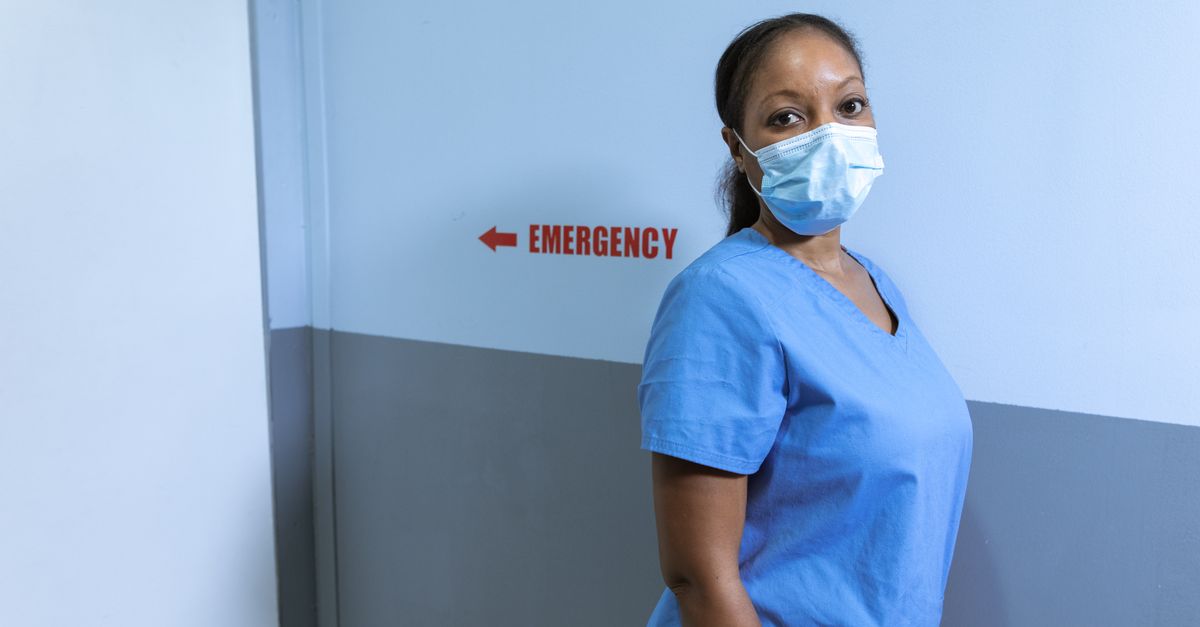
ENP certification has been available only since 2017, yet emergency departments already lean on nurse practitioners to triage and manage undifferentiated patients, from chest pain to orthopedic trauma. That demand is pushing MSN programs to add emergency-focused tracks fast.
The programs ranked here differ sharply in delivery. Some, like Drexel and Mount Union, run online; Averett is campus-based; most, including Vanderbilt and UAB, use a hybrid format. Net price follows a wide spread, from roughly $49,000 at the University of South Alabama to about $92,000 at Vanderbilt.
Most of these tracks pair ENP preparation with FNP certification, so you are rarely buying one credential alone. That bundling shapes credits, clinical hours, and what you ultimately pay.
Key Points
- UAB lists in-state graduate tuition of $8,640, far below elite private sticker prices.
- Federal data does not yet publish program-level ENP earnings or debt, so we label gaps plainly.
- ENP-C eligibility requires an FNP credential, and ED preceptors can take months to secure.
Ranked: The Top Emergency Nurse Practitioner MSN Programs for 2027
A strong emergency nurse practitioner MSN does more than layer a specialty onto a family NP foundation; it sharpens rapid triage, trauma management, and the ability to treat patients across the lifespan when minutes matter. The programs below differ meaningfully in clinical settings, dual certification pathways, and admission practicalities, so compare the details that fit your schedule and practice goals.
Vanderbilt University
#1Nashville, TN · ~$58,000/yr (est.)
Best for: Practicing FNPs adding emergency certification
A research-intensive nursing school with a dedicated emergency nurse practitioner specialty, blending advanced assessment, clinical reasoning, and a strong emphasis on procedures and ultrasound. The dual FNP/ENP track prepares graduates for both certification exams through emergency department, urgent care, and outpatient rotations. A full-time clinical placement team is a practical advantage for working nurses.
- Dual FNP and ENP certification preparation
- Full-time and part-time study options
- Clinical rotations in EDs, urgent care, and outpatient sites
- Heavy focus on procedures and ultrasound
- TNCC, ACLS, and PALS certifications required
- Full-time clinical placement team supports students
- Incorporates the 2021 AACN Essentials
- Work experience required for admission
Emory University
#2Atlanta, GA · ~$49,000/yr (est.)
Best for: Nurses weighing ethics in emergency medicine
This research university pairs an emergency nurse practitioner track with a dual-degree option in bioethics, making it distinctive for nurses who want to weigh rapid, high-stakes clinical decisions alongside ethical reasoning. The curriculum builds on family nurse practitioner preparation and emphasizes sudden illness and injury across the lifespan, with graduates positioned for FNP certification and emergency, urgent care, and trauma roles.
- Builds on Family Nurse Practitioner preparation
- Dual-degree option with MA in Bioethics
- Covers primary care needs in emergency settings
- Focus on unexpected illness and injury across the lifespan
- Prepares for FNP certification through ANCC or AANP
- Explores decision-making capacity and surrogate decision makers
- Emphasis on time-pressure ethics in emergency medicine
Drexel University
#3Philadelphia, PA · ~$39,000/yr (est.)
Best for: RNs wanting combined FNP and ENP certification
This university's combined Family/Individual Across the Lifespan with Emergency Specialization track is built around advanced assessment, diagnostic reasoning, and therapeutic procedures, with hands-on simulation lab intensives. Graduates sit for both FNP and ENP certification and move into emergency, trauma, urgent care, and primary care roles.
- Combined FNP and ENP certification preparation
- Mandatory on-campus simulation lab intensives
- 100% licensure pass rate reported
- Minimum 3.0 GPA and two recommendation letters
- Work experience required for admission
- BLS, ACLS, and PALS required before clinicals
- One of the first combined FNP/ENP programs
- Careers in ER, trauma, urgent care, and primary care
University of Nebraska Medical Center
#4Omaha, NE · $10,000 – $15,000/yr (est.)
This academic medical center emphasizes rural, frontier, and underserved emergency care, aligning its curriculum with AAENP core competencies and advanced diagnostics and rapid triage. Graduates often function as sole providers in critical access hospitals, urgent care, EMS units, and mobile integrated healthcare teams, with a concurrent MSN Family/Emergency plan and a shorter post-graduate certificate for practicing FNPs.
- Focus on rural, frontier, and underserved communities
- Aligned with AAENP core competencies
- Manage emergent and life-threatening conditions
- Advanced diagnostics, interventions, and rapid triage
- Prepares nurses as sole providers in critical access settings
- Expands into EMS and prehospital care
- Career pathways in emergency and urgent care
- Post-graduate certificate path for practicing FNPs
University of Alabama at Birmingham
#5Birmingham, AL · ~$9,000/yr (est.)
This university offers a cohort-based emergency nurse practitioner track taught alongside interdisciplinary emergency medicine physicians, with a faculty team that includes providers with more than two decades of ENP practice. The evidence-based emergency curriculum is distance-accessible and open to post-graduate certified FNPs, while graduates prepare for the AANP ENP certification exam and roles in emergency departments and urgent care.
- Cohort-based structure with fall starts
- Interdisciplinary instruction from emergency medicine physicians
- Faculty with 22 years of ENP practice
- Open to post-graduate certified FNPs
- Prepares for AANP ENP certification exam
- Careers in emergency departments and urgent care
- Evidence-based emergency-specific curriculum
- Work experience required for admission
University of South Alabama
#6Mobile, AL · ~$9,000/yr (est.)
A dual-role Family NP/Emergency NP track that pairs primary care with urgent, emergent, and trauma care, including clinical experiences in emergency ground and air transport services. Graduates prepare for both FNP and ENP board certification, though the program currently does not accept students from Louisiana, South Dakota, or New York.
- Clinicals in urgent, emergency, and trauma care
- Emergency ground and air transport clinical options
- Prepares for FNP and ENP board certification
- Cares for patients of all ages
- Eligible for APRN licensure
- Hands-on clinical skills intensives required
- Primary care clinic and urgent care settings
- Not accepting students from LA, SD, or NY
University of Mount Union
#7Alliance, OH · ~$42,000/yr (est.)
This university offers one of Ohio's only ENP MSN pathways, pairing advanced practice science with emergency and primary care training for high-acuity judgment. Graduates move into emergency nurse practitioner, family nurse practitioner, and APRN roles across hospitals, urgent care centers, and trauma units, with a standalone ENP option available to already-certified FNPs.
- Only ENP program in Ohio
- Standalone ENP option for current FNPs
- Prepares for ENP and FNP advanced practice roles
- Concentration options available
- Meets projected APRN workforce demand
- First MSN cohort started August 2024
- Standalone ENP pathway starts May 2025
- Accelerated BSN pathways available
Rocky Mountain University of Health Professions
#8Provo, UT · ~$21,000/yr (est.)
This health professions university designs its emergency nurse practitioner track for practicing nurses, pairing advanced pathophysiology, pharmacology, and health assessment with urgent and episodic care skills. Students cover trauma management, acute illness care, and rapid triage, with limited residencies that let them continue working while preparing for APRN certification and roles in emergency departments, urgent care clinics, and trauma centers.
- ENP concentration inside the MSN
- Post-bachelor's entry for RNs
- Designed for practicing nurses with limited residencies
- Covers trauma management and acute illness care
- Prepares for APRN certification
- ENP curriculum validated by AAENP
- Dual certification options available
- MSN to DNP pathway offered
Averett University
#9Danville, VA · ~$12,000/yr (est.)
This university offers an emergency nurse practitioner focus that emphasizes diagnosing, prescribing, and performing procedures for acute and critical illnesses, serious trauma, and injuries. The program secures clinical placements for every student and includes an endowed scholarship fund for regional MSN students, with graduates moving into emergency rooms, urgent care, and Level One trauma centers.
- One of only 13 ENP programs nationwide
- Only ENP program in its two-state region
- Clinical placements secured for all students
- $1 million endowed scholarship fund
- Post-master's ENP certificate available
- Prepares for acute, critical, trauma, and injury care
- Small cohorts for hands-on training
- Careers in ERs, urgent care, and Level One trauma centers
Cost & outcomes by school
Federal data for the highest-earning Emergency Nurse Practitioner programs, independent of the ranking above. Earnings are this field's master's graduates four years after completing, where the Scorecard reports them.
| School | Earnings | Tuition / yr | Debt | Grads/yr | Format |
|---|---|---|---|---|---|
| Samford University AL | $127,084 | $21,797 | $110,952 | 38 | Hybrid |
| Drexel University PA | $126,827 | $39,261 | $51,250 | 303 | Online |
| University of South Alabama AL | $122,851 | $9,360 | $51,673 | 769 | Hybrid |
| Emory University GA | $121,958 | $48,750 | $63,050 | 467 | Hybrid |
| Vanderbilt University TN | $118,826 | $57,868 | $90,637 | 389 | Hybrid |
| University of Nebraska Medical Center NE | $114,252 | $12,006 | $49,506 | 32 | Hybrid |
| Rocky Mountain University of Health Professions UT | — | $20,920 | — | 33 | Hybrid |
Sources: U.S. Department of Education. Tuition and graduates: IPEDS. Earnings and debt: College Scorecard, this field's master's graduates; a dash means no figure is reported.
Cost, debt & payoff
Median earnings of this field's master's graduates (4 yrs after completing) vs. their median federal loan debt · U.S. College Scorecard
Across these programs the median graduate earns about $121,958 and finishes with roughly $63,050 in debt — a ratio that clears a common rule of thumb (keep debt below first-year salary). Tuition and debt vary widely school to school, so check the per-school figures in the table above before you shortlist.
The Yardstick Behind Our ENP MSN Rankings
A budget-first applicant and a flexibility-first applicant can read the same list and reach different conclusions, which is why it helps to know what sits behind the order.
Affordability comes first: graduate tuition and the average net price, the amount left after grants and scholarships. Net price is an average across students, not a personal quote. Your own bill depends on aid, residency, and any employer tuition benefits.
Graduation rate is the next input. It is school-wide, not specific to ENP students, so treat it as a signal of how well an institution supports students overall rather than a program completion figure. Where College Scorecard publishes program-level earnings and debt, we use them. For several ENP programs those numbers are not yet available; we note that instead of guessing.
Last is delivery flexibility. Many ED nurses keep their shifts while in school, so online nurse practitioner programs or hybrid formats, part-time pacing, and limited campus visits can decide whether a program is workable at all. Check for mandatory on-campus intensives, since some fully online options still require them.
Weighing it for yourself
If money drives your decision, lean on net price and debt. If protecting your shift schedule matters most, weigh format and pacing first, then confirm the cost.
Sticker Tuition vs. Net Price at Ranked ENP MSN Schools
The number on a tuition page and the number you eventually pay can sit far apart, and the gap is widest at the most expensive schools. Listed graduate tuition runs from $8,640 in-state at the University of Alabama at Birmingham (about $21,168 out-of-state) to $57,868 at Vanderbilt. Net price, an approximate average after aid, tells a different story: roughly $18,749 at UAB against about $15,846 at Vanderbilt. That net figure reflects the institution overall, not ENP students specifically, so treat it as a rough signal rather than your bill.
Full Sticker Price of the Degree
Per-credit rates show what the whole degree costs for 2026-2027:
- Drexel (FNP with Emergency Specialization): $1,169 per quarter credit across 63 credits, about $73,647, plus a $125 annual online program fee.
- Rocky Mountain University (MSN-FNP/ENP): $1,075 per credit across 65 credits, about $69,875.
- Vanderbilt (dual FNP/ENP): $2,119 per credit hour across 76 credits, about $161,044.
- Widener (MSN-ENP): $1,090 per graduate credit, but the ENP credit count and total are not published. Its $49,050 figure belongs to a separate FNP track, not ENP.
Extras Specific to ENP
Separate clinical or immersion fees are not established for these programs, so ask each school directly. Budget for them anyway. Drexel requires two campus visits and 1,140 clinical hours, which means travel and lodging. Procedure skills intensives, simulation days, and required certifications such as ACLS and PALS add costs that rarely appear in tuition tables. Widener lists recurring fees of about $293 per semester.
One Practical Tip
Before comparing programs, ask each admissions office about employer tuition reimbursement and whether online students pay a residency-based rate. Public schools can charge out-of-state students more; UAB's distance-accessible graduate tuition is the same for residents and nonresidents, while Vanderbilt publishes one rate for everyone. Many hospitals offset tuition for ED nurses who commit to staying.
Dual FNP/ENP vs. ENP-Only MSN Tracks: Credits, Clinical Hours, and Length
A dual FNP/ENP MSN bundles both certifications into one program. The alternative is to earn an FNP first and add an ENP post-master's certificate. Published figures vary widely and some schools do not list every number, so the table marks gaps plainly. Note that Drexel counts quarter credits, which are not equivalent to semester credit hours.
| Program and route | Track type | Total credits | Clinical hours | Length | Certification outcome |
|---|---|---|---|---|---|
| Drexel University | Dual FNP/ENP MSN | 63 quarter credits | Not published | Not published | Eligible for the FNP exam (AANP or ANCC) and the ENP exam (AANP) |
| University of South Alabama | Dual FNP/ENP MSN | 57 credit hours | 840 hours | 5 years | Prepared for both the FNP and ENP board exams |
| Vanderbilt University | Dual FNP/ENP program | Not published | Not published | ENP specialty portion: 2 semesters | Prepared for FNP exams (ANCC, AANPCB); all graduates eligible for the ENP exam (AANPCB) |
| Vanderbilt University | ENP post-master's certificate for FNPs | Not published | Not published | 4 to 5 full-time semesters (post-master's routes) | ENP national certification path for existing FNPs |
| West Texas A&M University | ENP post-master's certificate (FNP MSN required) | 15 credits | Not yet published | Launching fall 2026 | Certificate for FNP-prepared nurses; details not yet published |
| Clayton State University | FNP post-master's certificate (FNP only, no ENP) | 36 credit hours | 585 hours | Not published | FNP preparation only; ENP would require a separate add-on |
| Morningside University | Family Primary Care NP post-master's certificate (FNP only, no ENP) | 36 credit hours | 750 hours | Not published | Family primary care preparation only; ENP would require a separate add-on |
What You Need Before Applying: ENP MSN Admission and ED Experience Requirements
Requirements differ by school and year, so treat this as a planning checklist and confirm details with each program's admissions office.
- BSN from an accredited programExpect a BSN from a CCNE- or ACEN-accredited school. Dual-role tracks may admit already-certified FNPs, so check your own pathway.
- Unencumbered RN licenseAn unrestricted U.S. RN license is standard. Drexel requires Pennsylvania eligibility regardless of where you live. Rutgers requires New Jersey or compact licensure within your first semester.
- Minimum GPAMost programs look for a 3.0. Rutgers lists 3.2 as preferred rather than a hard cutoff. Memphis may consider 2.75-2.99 applicants who earn a B or better in two graduate nursing courses.
- Emergency or critical care RN experienceTypically 1-2 years. Vanderbilt requires 2 years of RN work, including 1 in the ED, for applicants who aren't FNP-certified. Rutgers asks for 1,000 emergency hours within 3 years of applying.
- CertificationsThe CEN is recommended at Rutgers but isn't universally required. Vanderbilt requires TNCC, ACLS and PALS. Drexel requires BLS, ACLS and PALS. South Alabama requires FNP certification first.
- References, statement and interviewPlan on recommendations (Drexel excludes colleagues and family) and a personal statement. Ask each school whether an interview is part of the process.
- Application timingDrexel's emergency specialization isn't accepting 2026-2027 applications, so check back in summer 2027.
Related Articles
The ENP-C credential is younger than most people assume: the American Academy of Nurse Practitioners Certification Board launched its Emergency Nurse Practitioner specialty certification for family nurse practitioners in January 2017. Per AANPCB, the exam runs three hours and the resulting certification is valid for five years before renewal.
CCNE/ACEN Accreditation and ENP-C Eligibility, School by School
Emergency nurse practitioner preparation sits in an unusual spot: the specialty credential is well established, but there is no separate accreditor for emergency NP tracks, so eligibility still rides on the nursing program's institutional accreditation and on a family nurse practitioner foundation.
Why the accreditor matters
State boards of nursing and national certifying bodies generally recognize graduate nursing degrees accredited by the Commission on Collegiate Nursing Education (CCNE) or the Accreditation Commission for Education in Nursing (ACEN). A degree from an unaccredited program can leave you unable to sit for certification or obtain APRN licensure, and it also blocks federal aid eligibility at most institutions. Verify the accreditor directly on the school's nursing page and on the accreditor's own directory before you deposit, since status can change between catalog cycles.
Accreditation across the schools ranked here
Based on current public listings, most of the nursing programs featured on this page hold CCNE accreditation, including National University, Michigan State University, Grand Canyon University, Keiser University, the University of Florida, the University of Tennessee at Knoxville, Galen College of Nursing, West Coast University, Joyce University of Nursing and Health Sciences, and the University of Cincinnati. Arkansas State University and Liberty University are listed under ACEN. Public sources we reviewed did not clearly confirm the accreditor or scope for every school here, including UNC Pembroke and Wheeling University, so treat those as unverified until the school confirms them in writing.
One caveat worth repeating: an accreditation label may apply to a school's nursing unit broadly rather than to the specific emergency track you want. Ask which program the accreditation covers.
What ENP-C eligibility actually requires
The AANPCB ENP-C exam is open only to certified family nurse practitioners. From there, three routes exist. The academic pathway requires completing an approved graduate or postgraduate emergency NP program. The experiential pathway requires at least 2,000 direct emergency care clinical practice hours as a certified NP within the past five years, plus 100 emergency-related continuing education hours, including 30 in procedural skills. Ask any program to confirm in writing that its track qualifies under the academic route.
Emergency Nurse Practitioner programs by state
Quick Answers for Future Emergency NPs
These are the questions prospective students ask most often about emergency nurse practitioner training. Each answer is brief, and the sections below go deeper on tuition, earnings, track structure, and accreditation.
How does an ENP role differ from an FNP role?
Do I need emergency room experience to become an ENP?
How long does it take to become an emergency nurse practitioner?
Is an ENP certification worth it?
Can I complete an ENP MSN program online?
What is the salary for an emergency nurse practitioner with an MSN?
Should I choose a dual FNP/ENP MSN or add an ENP certificate after graduating?
Compare Emergency Nurse Practitioner programs on the data that matters
Explore more Nursing specializations or browse every graduate field.
All Nursing programs