Best MBA in Cybersecurity Programs in California
Compare 3 accredited MBA in Cybersecurity programs in California, with graduate earnings, cost, debt, and completion data from IPEDS and the U.S. College Scorecard.
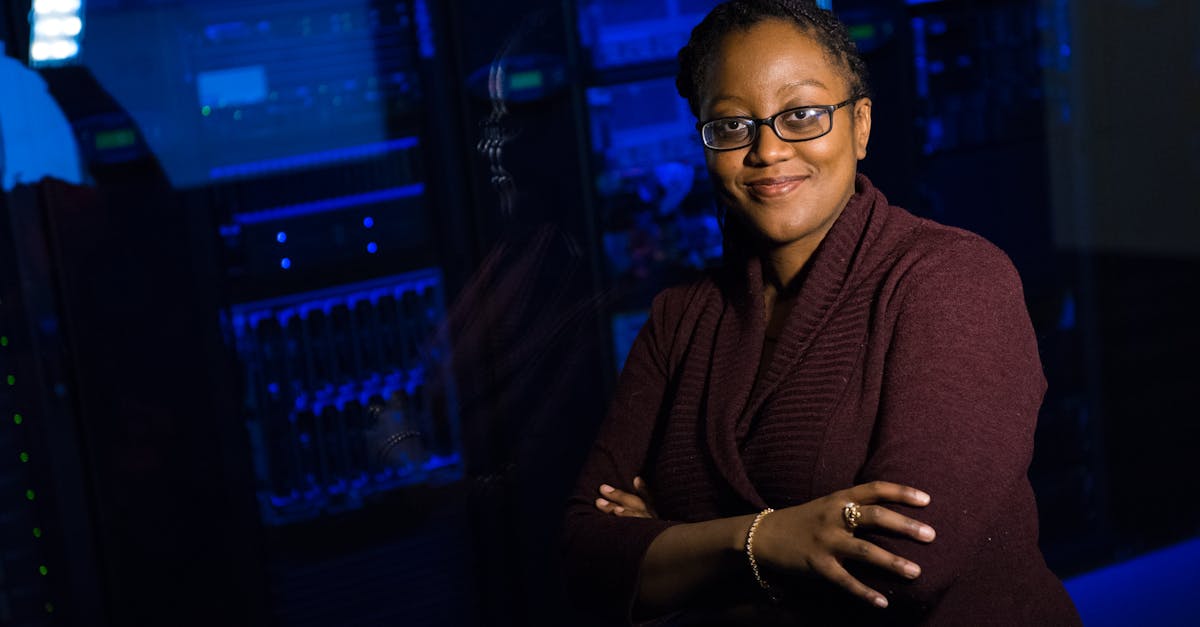
Ransomware and breach-disclosure rules have pushed cybersecurity out of the server room and into the boardroom, where directors now expect a dollar figure attached to every threat. That shift is what a cybersecurity MBA targets: not the technical defense itself, but the ability to translate risk into budget, policy, and board-level decisions.
The California programs ranked here span both campus and fully online delivery, and the two formats appear side by side rather than on separate pages.
The real tension for applicants is value. Sticker tuition, net price, test-waiver policies at master's programs with no GRE required, and verifiable graduate earnings vary sharply between schools, and a bigger name does not always mean a better return, even among affordable MBA programs.
Key Points
- University of San Diego is the only school here publishing program-level debt and earnings.
- One listed program is a cybersecurity master's, not an MBA, so check titles.
- Confirm each school's GMAT and GRE policy on its admissions page for 2027.
Ranked: The Best MBA in Cybersecurity Schools in California
Four California schools made this list, and the data does not support treating it as exhaustive. One entry is a cybersecurity master's rather than an MBA, and we flag that below. Where we could not verify AACSB, NSA/DHS CAE, or STEM (OPT-eligible) status for a specific MBA, we leave it out rather than guess.
University of San Diego
#1San Diego, CA · ~$31,000/yr (est.)
Best for: Working professionals studying fully online
The University of San Diego has the strongest graduation rate on this list, at roughly 84 percent institution-wide. Its listed program is a Master of Science in Cyber Security Operations and Leadership, not an MBA, so it fits readers who want leadership-level cyber training without a general business core. The school reports WASC accreditation and a National Center of Academic Excellence designation, and says no GRE or GMAT is required. Program-level earnings are published for recent graduates and look strong, though the cohort is small.
- 100% online, designed for working professionals
- 30 units at $995 per unit, $29,850 total tuition
- About 20 months, with seven-week courses
- No GRE or GMAT required
- Spring, summer, and fall start dates
- Covers cyber leadership, law, policy, and incident response
California State University-San Bernardino
#2San Bernardino, CA · ~$10,000/yr (est.)
Best for: Budget-focused students attending in person
California State University, San Bernardino offers a true MBA with a Cybersecurity concentration on campus, at public-university tuition well below the private schools here. About 55 percent of students graduate institution-wide. We could not verify AACSB, CAE-CD, or STEM status for this MBA from the sources available, so check with the school before counting on OPT eligibility. Program-level earnings are not yet published.
- MBA with a Cybersecurity concentration, campus-based
- 36 or 42 units, about 12 to 14 classes
- Bachelor's degree with 3.0 GPA expected
- GMAT or GRE scores requested; work experience may substitute
- Personal statement, resume, and one recommendation letter
- Interview with MBA staff
- Open to all undergraduate majors
Abraham Lincoln University
#3Glendale, CA · $5,000 – $10,000/yr (est.)
Best for: Adults wanting a cybersecurity law emphasis
Abraham Lincoln University in Glendale runs an online MBA with a Cybersecurity Law emphasis, aimed at working adults who want the compliance, governance, and policy side of security. It is the lowest-priced option here. Its accreditation is through DEAC, a national accreditor, rather than a regional one, which matters for credit transfer and employer perception. Graduation and earnings figures are not available, so weigh it with extra caution.
- Fully online with a one-course-at-a-time model
- About nine months for many students with transfer credit
- Up to 15 semester hours may transfer
- Covers compliance, liability, governance, and policy
- DEAC accredited institution
- Financial aid available to those who qualify
DeVry University-California
#4Ontario, CA · ~$10,000/yr (est.)
DeVry University's California campuses offer an MBA with a Cybersecurity and Information Assurance specialization through Keller Graduate School of Management, online or on campus. The MBA is ACBSP accredited, and the coursework is mapped to certifications such as Network+ and Security+. Institution-wide graduation is about 22 percent, the lowest on this list, and program-level earnings are not published. It suits students who need a fast, flexible schedule more than a high-outcome signal.
- Online and on-campus formats
- As little as one year and four months
- Full-time and part-time options
- Up to three courses may be waived
- No prior IT experience required
- ACBSP accredited
- Next class starts October 26, 2026
Cost & outcomes by school
Federal data for the highest-earning Cybersecurity programs, independent of the ranking above. Earnings are this field's master's graduates four years after completing, where the Scorecard reports them.
| School | Earnings | Tuition / yr | Debt | Grads/yr | Format |
|---|---|---|---|---|---|
| California State University-San Bernardino CA | — | $9,612 | — | — | Campus |
| DeVry University-California CA | — | $9,832 | — | — | Online |
| Abraham Lincoln University CA | — | $8,160 | — | 1 | Online |
Sources: U.S. Department of Education. Tuition and graduates: IPEDS. Earnings and debt: College Scorecard, this field's master's graduates; a dash means no figure is reported.
What Put These California Cybersecurity MBA Programs on Our List
Every cybersecurity MBA school here had to prove its value with public outcome data, not marketing copy. For these four master's programs in California, University of San Diego, California State University-San Bernardino, Abraham Lincoln University, and DeVry University-California, we looked at the same verifiable inputs:
- Net price after aid: the average cost families actually pay, not the sticker rate.
- Degree-level tuition: what the MBA itself charges.
- Earnings and debt: program-level figures from College Scorecard, where they are published.
- Graduation rate: the institution-wide completion rate.
- Delivery format: campus, online, or hybrid.
Two caveats matter. Graduation rates cover the whole institution, not the cybersecurity MBA alone. Your aid package will differ from the average net price, which is an institutional figure, not a personal quote.
Schools without published program-level earnings were not penalized for the gap. Missing data means the federal figures are not published, not that a program performs poorly.
Online and Hybrid Cybersecurity MBA Options in California
An online MBA with a cybersecurity focus lets you complete graduate business coursework without relocating, though format details vary widely by school.
Fully online
University of San Diego offers a 100% online cybersecurity master's degree, but it is a Master of Science in Cyber Security Operations and Leadership, not an MBA. Courses run seven weeks, two per semester, with spring, summer, and fall starts. Abraham Lincoln University's cybersecurity MBA is available fully online, taken one course at a time over roughly nine months.
Online and campus options
DeVry University-California lists online and on-campus formats, with full-time and part-time pacing. Its next class starts October 26, 2026. Cal State San Bernardino's admissions page describes a campus-based MBA with a cybersecurity concentration, while its 2026 ranking announcement calls the program online and flexible. Confirm the current format with the school before you apply.
What working professionals should check
The program pages we reviewed do not say whether sessions are live or asynchronous, or whether any campus residency is required. Ask admissions directly. Ask about evening or weekend scheduling, how many start dates are offered each year, and whether online students pay the same per-unit tuition as campus students. University of San Diego publishes $995 per unit for its online program, which gives you a clear figure to compare.
Which Ranked California MBA Programs Waive the GMAT or GRE
Test policies change every admissions cycle, so treat this section as a how-to. Open each program's official MBA admissions page, look for pages labeled "Admissions Requirements," "Test Waivers," or "GMAT/GRE Policy," and note the date you checked. Confirm whether the waiver is automatic (based on GPA or years of work experience) or requires a written request, and whether it applies to the cybersecurity concentration. If the site is unclear, email or call admissions and ask for the policy in writing. For context, cross-check school websites against the BLS.gov Occupational Outlook Handbook (career and salary data), GMAC/mba.com (test and admissions trends), and ISACA and (ISC)² (certification and hiring expectations). Treat any third-party summary, including this one, as a starting point, and verify directly with the program before applying or paying for test prep.
| School | GMAT/GRE Policy | Waiver Criteria | Format |
|---|---|---|---|
| University of San Diego | Not confirmed in our research. Check the MBA admissions page and record the date. | Ask if the waiver is automatic or by written request, and if it covers the cybersecurity concentration. | Confirm campus, online, or hybrid on the program page. |
| California State University-San Bernardino | Not confirmed in our research. Check the MBA admissions page and record the date. | Ask if GPA or work experience triggers a waiver, and get the answer in writing. | Confirm campus, online, or hybrid on the program page. |
| Abraham Lincoln University | Not confirmed in our research. Check the MBA admissions page and record the date. | Ask if any test is required and which criteria apply to cybersecurity applicants. | Confirm campus, online, or hybrid on the program page. |
| DeVry University-California | Not confirmed in our research. Check the MBA admissions page and record the date. | Ask if a waiver is automatic or requires a request, and get the policy in writing. | Confirm campus, online, or hybrid on the program page. |
Related Articles
Cybersecurity MBA Cost in California and Employer Demand
The table lists annual degree-level tuition and average net price, sorted from lowest net price. Sticker tuition and net price differ because net price is an institution-wide federal average of costs after grant aid, and it can include housing, books, and other living costs, so it is not a quote for one degree. Published per-credit rates put Abraham Lincoln University at about $19,800 (30 credits at $660) and the University of San Diego at $29,850 (30 units at $995, for its Master of Science in Cyber Security Operations and Leadership). CSUSB listings conflict on credits and totals, and DeVry's total and mandatory fees are not confirmed here, so check each bursar page before budgeting. We could not confirm a current CyberSeek count of open California cybersecurity postings, so we cite none. California is generally among the country's largest cybersecurity job markets, with hiring typically led by technology, finance, healthcare, and government and defense employers who value security leaders with business training.
| School | In-state tuition (annual) | Out-of-state tuition (annual) | Average net price | Published total program tuition |
|---|---|---|---|---|
| California State University-San Bernardino | $9,612 | $19,692 | $4,564 | Not confirmed (sources conflict) |
| Abraham Lincoln University | $8,160 | $8,160 | $28,584 | $19,800 (30 credits at $660) |
| University of San Diego | $31,240 | $31,240 | $30,365 | $29,850 (30 units at $995) |
| DeVry University-California | $9,832 | $9,832 | $33,744 | Not published here |
Cybersecurity MBA Salary in California: The Top Program-Level Figure
Highest published program-level figure among the ranked schools
Debt, Earnings, and ROI for California Cybersecurity MBA Graduates
Return on investment here means one comparison: what graduates borrowed against what they earned after finishing. Only one school ranked here publishes program-level figures for that comparison.
University of San Diego reports median debt of $48,077 and a median monthly payment of $547 for its cybersecurity master's. Graduates earned a median $97,944 one year after completing and $137,533 four years out. Debt equals roughly half of first-year pay, so on these figures the loan is covered within the first year or two of working. These numbers describe USD's cybersecurity master's program, not an MBA concentration specifically, so use them as a directional benchmark.
California State University-San Bernardino and DeVry University-California have no published program-level debt or earnings figures. We don't estimate them or substitute institution-wide data, so ask each school's admissions office for recent graduate outcomes before you compare.
A Simple Rule of Thumb
Keep total borrowing at or below your expected first-year earnings after the degree.
Cybersecurity MBA in California: Questions Applicants Ask
These answers draw on the schools' published admissions information and the cost and earnings figures covered above. Where a school has not published a detail we could verify, we say so.
Is an MBA in cybersecurity worth it in California?
What is the difference between an MBA and an MS in cybersecurity?
Are any of these California cybersecurity MBAs STEM-designated for OPT?
When are application deadlines for the ranked programs, and what do they require beyond test scores?
How long does a cybersecurity MBA in California take to finish part-time vs full-time?
Compare Cybersecurity programs on the data that matters
Explore more MBA specializations or browse every graduate field.
All MBA programs